How to Create a Home Maintenance Calendar That Actually Works for Your Southwest Florida Appliances and HVAC Systems
Living in Southwest Florida means your appliances and HVAC systems face conditions unlike anywhere else in the country. From the relentless humidity that stretches from May through October to the salt air that creeps inland from the Gulf, your home equipment works harder and wears down faster than in most other regions. A generic maintenance calendar pulled from a national home improvement blog simply will not cut it here. At Service Doctor, we have over 40 years of hands-on experience maintaining and repairing appliances and HVAC systems across Sarasota, Bradenton, Palmetto, Oneco, Southgate, and South Bradenton. We know exactly what it takes to keep your equipment running reliably year-round, and we want to share a proven framework you can actually stick with.
Why a Southwest Florida Maintenance Calendar Looks Different
Most maintenance guides assume moderate climates with distinct heating and cooling seasons. In our region, your air conditioning system may run ten months out of the year. According to the U.S. Department of Energy, HVAC systems account for roughly 48 percent of a typical home’s energy consumption, and that percentage climbs even higher in subtropical climates like ours. When your system runs nearly nonstop, components like condenser coils, blower motors, and refrigerant lines degrade faster. Scheduling maintenance based on a northern climate’s timeline means you are likely skipping critical checkpoints.
The same principle applies to your major appliances. High ambient humidity forces your refrigerator’s compressor to cycle more frequently, your dryer to work harder to remove moisture from fabrics, and your dishwasher to combat mold and mildew buildup in its seals and filters. A maintenance calendar tailored to Southwest Florida addresses these realities head-on, helping you extend equipment lifespans and avoid costly breakdowns.
Building Your Seasonal Maintenance Schedule
The most effective approach breaks the year into quarterly checkpoints aligned with our local climate patterns. Each quarter targets the systems most vulnerable during that period, so you are never overwhelmed with tasks and nothing falls through the cracks. Here is a practical quarterly breakdown we recommend to our customers:
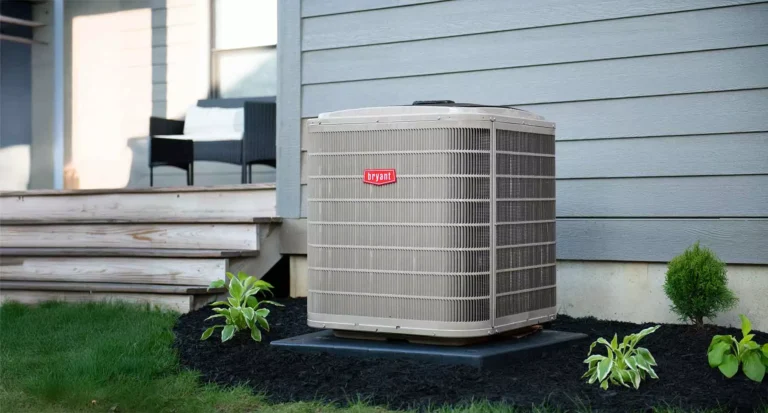
- January through March (Pre-Cooling Season) Schedule a professional HVAC inspection and tune-up before the heat arrives. This is the ideal time to clean condenser coils, check refrigerant levels, and replace air filters. We install and service Carrier and Bryant systems, and both manufacturers recommend annual professional maintenance to preserve warranty coverage. Also inspect your refrigerator’s condenser coils and door gaskets during this period to ensure efficient operation before summer temperatures spike.
- April through June (Peak Humidity Onset) Clean your dryer vent thoroughly, as lint accumulation combined with humidity creates a serious fire risk. Inspect washing machine hoses for cracks or bulging, and run a cleaning cycle with a descaling agent. Check your dishwasher’s spray arms, filters, and door seals for mold. On the HVAC side, replace your air filter again and verify that your condensate drain line is clear to prevent water damage.
- July through September (Peak Strain Period) Your air conditioning is under maximum load. Replace the air filter monthly during this window rather than quarterly. Inspect your garbage disposal for corrosion and flush it with ice and citrus to combat odor-causing bacteria that thrive in heat. Check your range and oven for calibration accuracy, as worn heating elements and ignitors tend to fail during periods of heavy use.
- October through December (Recovery and Preparation) Schedule a post-summer HVAC evaluation to assess wear from months of continuous operation. This is also the time to consider whether aging equipment should be replaced. We offer free estimates on new HVAC installations, making it easy to evaluate your options. Deep-clean all major appliances, inspect electrical cords and connections, and test your oven ahead of holiday cooking season.
Making Your Calendar Stick with Professional Support
The biggest reason home maintenance calendars fail is that homeowners set ambitious goals but lack the technical knowledge or tools to follow through. Our proactive maintenance programs are designed to fill that gap. When you partner with Service Doctor, our trained technicians handle the complex diagnostics and service tasks on a scheduled basis, so your calendar becomes more than a list of good intentions. Our team achieves high first-visit repair success rates because of meticulous diagnostics and rigorous technician training, meaning fewer disruptions and longer intervals between issues.
Our approach also features upfront flat-rate pricing, so you know your exact repair cost before any work begins. If you decide not to proceed with a recommended repair, you only pay the service charge. Transparent, itemized quotes eliminate bill shock and help you budget maintenance expenses across the year with confidence.
Key Tasks to Track Between Professional Visits
Between scheduled professional maintenance, there are straightforward tasks you should handle monthly to keep everything running smoothly:
- Replace HVAC air filters at least every 30 days during summer and every 60 to 90 days in cooler months
- Wipe refrigerator door gaskets with mild soap and water to maintain a proper seal
- Run an empty hot cycle in your washer with white vinegar to prevent mildew and odor
- Clear debris around your outdoor condenser unit to maintain proper airflow
- Inspect appliance water supply lines for leaks or discoloration that indicate deterioration
A well-structured maintenance calendar protects your investment and keeps your Southwest Florida home comfortable throughout every season. With proven success serving customers since 2011 and a commitment to honest, expert service, Service Doctor is here to help you maintain every major appliance and HVAC system in your home with the care and consistency they demand in our unique climate.